UPDATED August 2026
Caucasus Map
DRAG TO EXPLORE // © CARTO © OPENSTREETMAP
The Caucasus is a mountainous isthmus positioned directly between the Black Sea to the west and the Caspian Sea to the east. It stretches from the Kuma-Manych Depression in southern Russia down to the Aras River along the northern borders of Turkey and Iran. The terrain splits into 2 distinct ranges: the glaciated Greater Caucasus in the north, home to Europe's highest peak, Mount Elbrus at 5642 meters, and the older Lesser Caucasus in the south, which spans Georgia, Armenia, and Azerbaijan.
Why Caucasus matters right now
The South Caucasus is undergoing its largest geopolitical realignment since the collapse of the Soviet Union in 1991. Following Azerbaijan's full restoration of control over Nagorno-Karabakh, regional attention has pivoted toward transcontinental connectivity. The proposed East-West Middle Corridor and the US-backed 43-kilometer TRIPP transit route across Armenia's southern Syunik province aim to link Central Asia and the Caspian to Europe while bypassing Russian and Iranian networks.
This infrastructure push has altered long-standing alliances. Armenia has distanced itself from Russian security guarantees and expanded Western partnerships following its 2026 elections, while Azerbaijan leverages its oil, gas, and military dominance alongside Turkey. Meanwhile, Georgia faces internal political friction between its EU candidate aspirations and rising Russian commercial links, placing the region's core transit choke points under intense diplomatic competition.
Follow the live Caucasus relief map below to trace tectonic boundaries, key pipelines, and strategic mountain passes
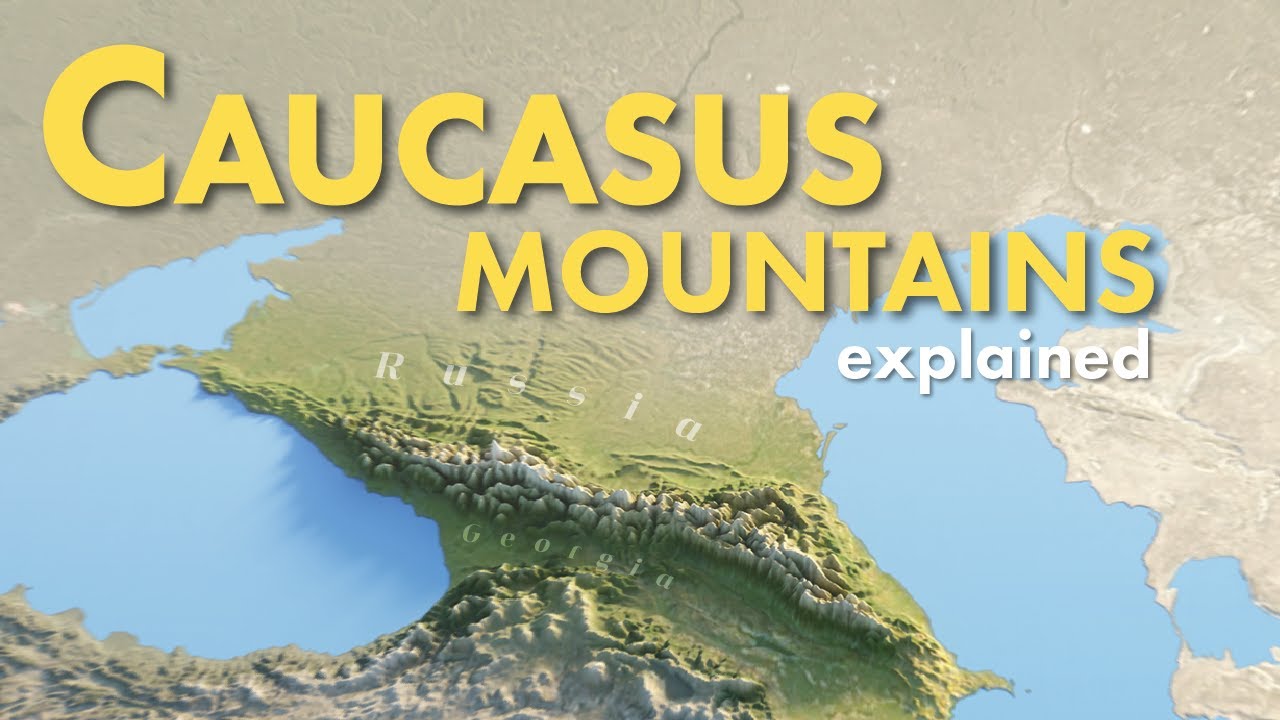
The Caucasus Mountains explained
Details the geological divide between Greater and Lesser ranges, glacial retreat exceeding 30%, and the 7 summits border debate regarding Mount Elbrus
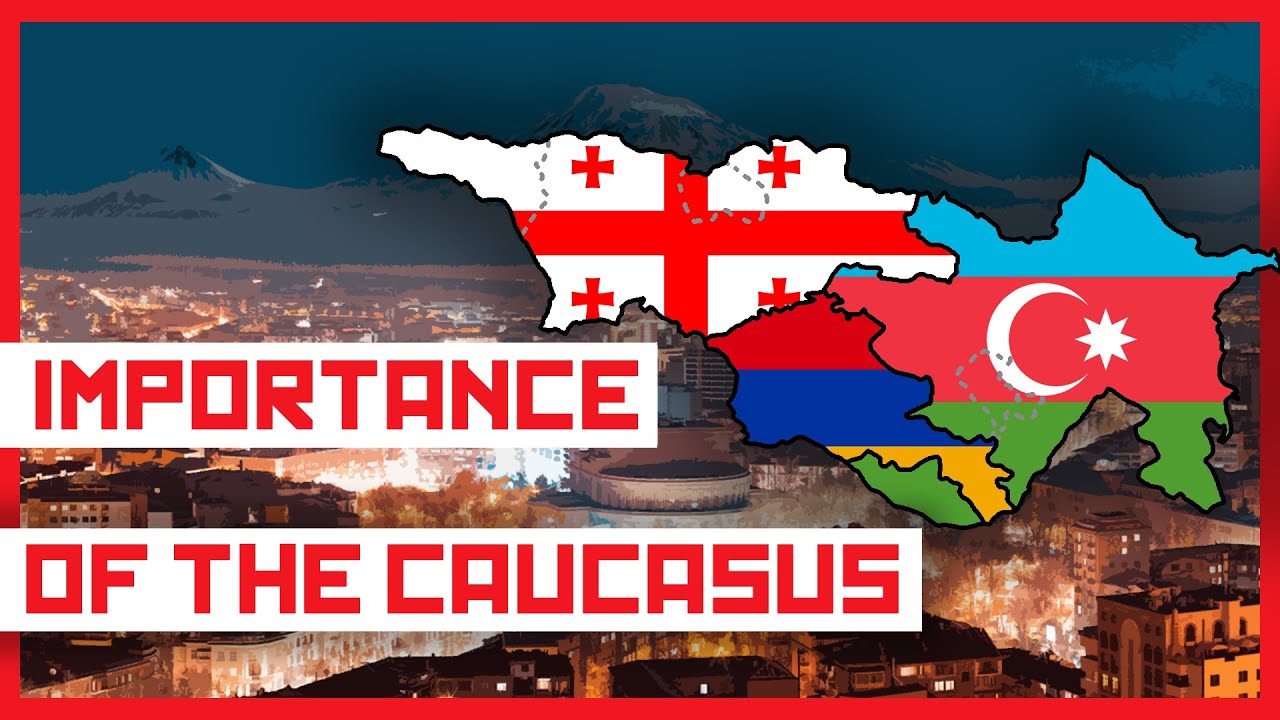
What Makes The CAUCASUS Nations So Important?
Examines post-1991 conflicts, the Baku-Tbilisi-Ceyhan pipeline bypassing Armenia, and diverging demographic trends across Georgia, Armenia, and Azerbaijan
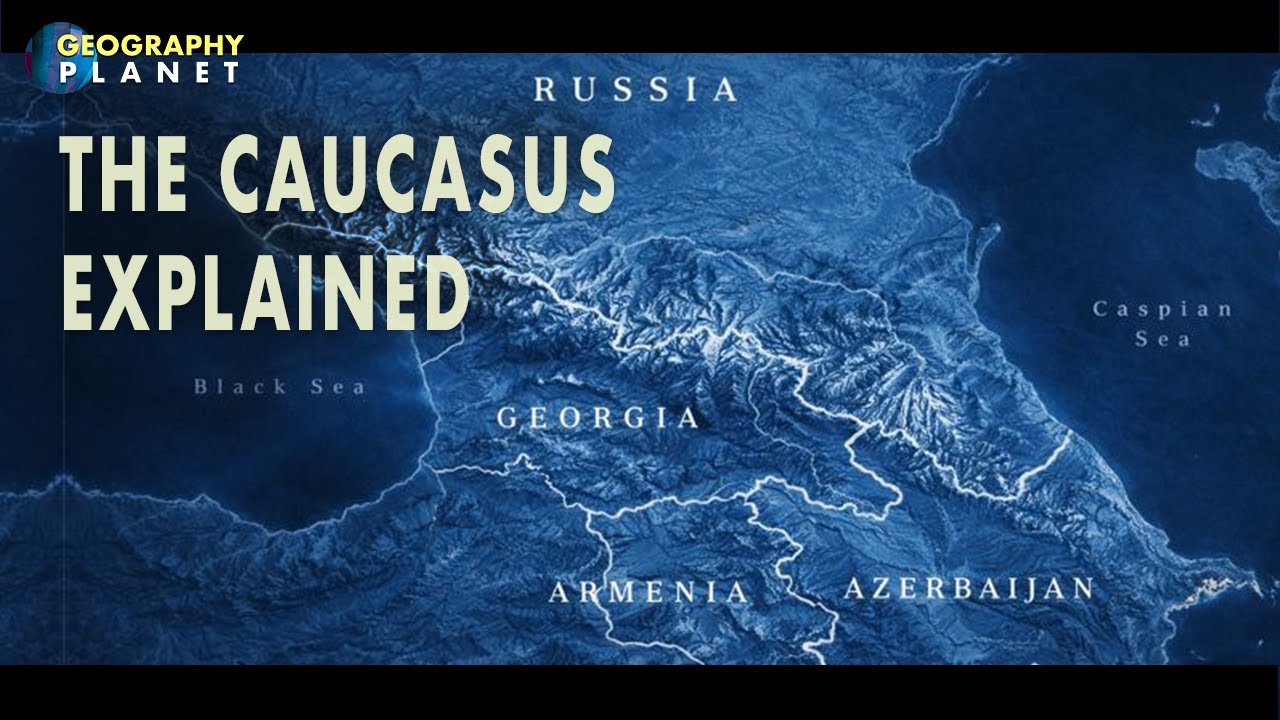
Russia and the Caucasus: The Mountain Frontier That Shapes Power
Analyzes how Moscow uses mountain passes, the Roki Tunnel, and separatist enclaves to project defense depth into the South Caucasus
FAQ
Is the Caucasus located in Europe or Asia
It depends on the boundary convention used. Traditional 19th-century geographers placed the border along the Kuma-Manych Depression north of the mountains, placing the entire range in Asia. Modern mountaineers and cartographers generally draw the continental line along the Greater Caucasus watershed crest, which places Mount Elbrus and northern Georgia inside Europe.
Why is the Caucasus strategically important for global energy and trade
The region forms the narrowest land bridge between Europe and Central Asia that does not cross Russian or Iranian territory. Major export lines like the Baku-Tbilisi-Ceyhan oil pipeline and the Southern Gas Corridor deliver Caspian energy directly to Mediterranean and European markets. It also anchors the Middle Corridor rail and highway transit system.
What are the breakaway territories inside the Caucasus
Abkhazia and South Ossetia broke away from Georgia following armed conflicts in the early 1990s and the 2008 Russo-Georgian War. Both territories rely heavily on Russian military and financial support, but only 5 UN member states recognize their independence. Nagorno-Karabakh was formerly a breakaway enclave within Azerbaijan until Azerbaijani military operations dissolved the entity.
Why does the Caucasus have so many distinct languages
Steep mountain gorges and isolated valleys historically prevented cultural assimilation between neighboring communities. The region contains more than 28 distinct indigenous languages spread across 3 unrelated language families: Kartvelian, Northwest Caucasian, and Northeast Caucasian. These exist alongside Indo-European languages like Armenian and Russian, as well as Turkic languages like Azerbaijani.
More places
Black Sea · South China Sea · Persian Gulf · Strait of Malacca · Bosphorus · all places